New York City top rated Couples Counseling: Our Helpful Insights for Stronger Relationships
Charting Love: How Couples Therapy Can Strengthen Your Relationship
Moving through the complexities of love often creates obstacles that can strain even the strongest relationships. Couples counseling delivers a structured approach to address these problems, promoting open communication and mutual understanding. By exploring feelings and rebuilding trust, partners can discover pathways to more meaningful connection. Yet, many continue to be hesitant about seeking help. What might they find out about themselves and their relationship in the process? The answers may astonish them.
Typical Problems in Relationship Therapy
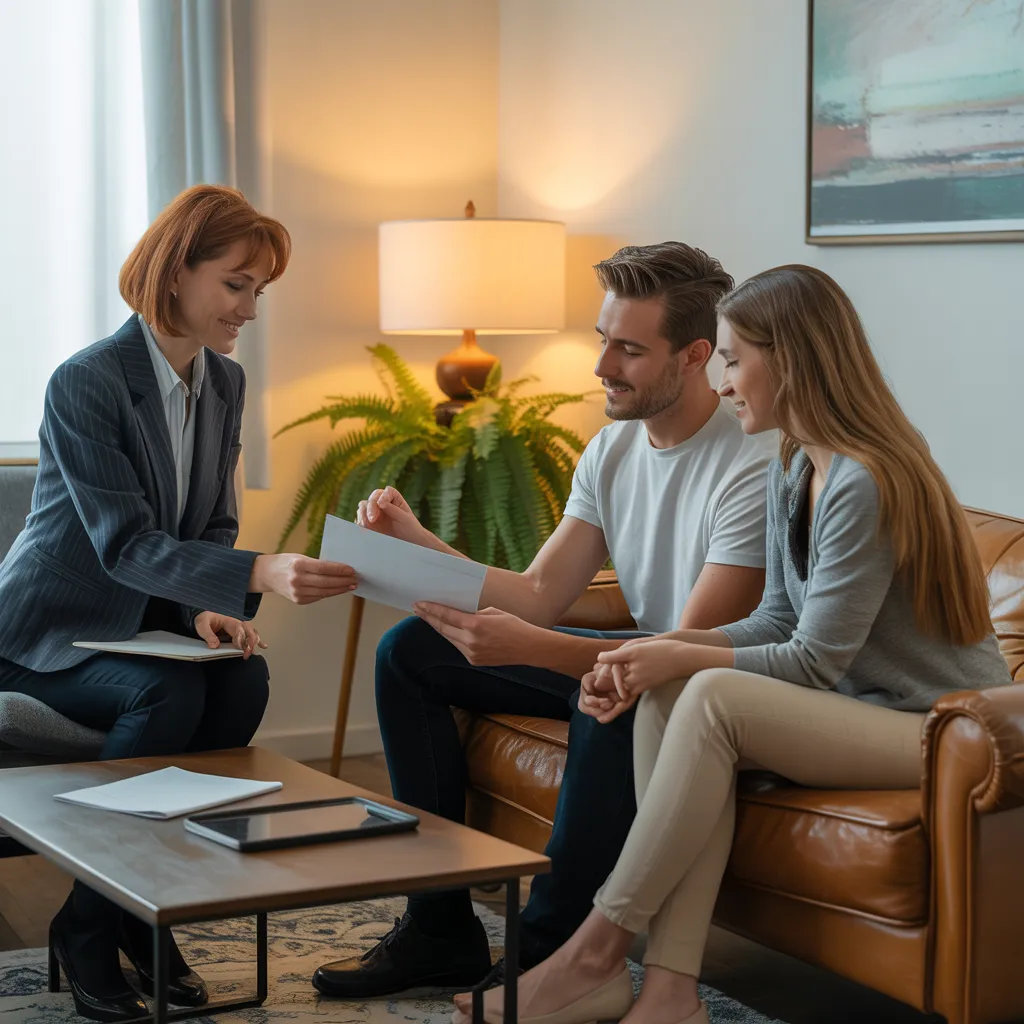
Couples often seek counseling when they encounter persistent issues that hinder their relationship. Frequent problems encompass communication disruptions, where partners have trouble articulating their sentiments or misconstrue each other. Trust concerns often emerge from previous infidelities or self-doubt, resulting in emotional detachment. Numerous partners additionally struggle with conflicting principles or aspirations, generating tension and dissatisfaction. Intimacy problems, whether emotional or physical, can further exacerbate tensions, leaving one or both partners feeling unfulfilled.
Conflict resolution skills often need refinement, as unresolved arguments can spiral into resentment. Fiscal anxiety stands as another frequent problem, shaping day-to-day engagement and long-range goals. Moreover, external forces from family members or professional life can burden the union. Understanding these widespread concerns is critical, as they commonly work as incentives for finding therapeutic support, supporting greater awareness of each person's desires and encouraging more constructive dynamics.
The Benefits of Seeking Professional Help for Your Relationship
Seeking professional help can be a powerful step for couples working through challenges in their relationship. Engaging with a qualified counselor offers a safe space for open communication, allowing individuals to express feelings that may be difficult to articulate otherwise. This environment encourages understanding and empathy, allowing partners to view issues from each other's perspectives.
Moreover, couples counseling furnishes partners with crucial tools and strategies to address conflicts more effectively. These techniques can improve emotional intimacy and improve overall relationship satisfaction. Professional guidance also helps identify underlying patterns and triggers that cause recurring conflicts, presenting a clearer path toward resolution.
Additionally, obtaining help shows a dedication to the relationship, demonstrating that both partners appreciate their bond and are prepared to invest effort in its growth. In the end, the positive outcomes of professional intervention can bring about healthier dynamics, enhanced trust, and a reinvigorated sense of connection.
Understanding Marriage Counseling and Its Process
Couples counseling serves as a structured approach to aid partners work through relationship challenges. Understanding its foundational steps is essential for maximizing the positive outcomes of therapy. This section will outline what couples counseling entails and the process involved in seeking a resolution.
What Does Couples Counseling Mean?
When partners encounter persistent challenges in their relationship, couples counseling can present a structured environment to address these challenges. This therapeutic approach utilizes a trained professional who facilitates discussions between partners, striving to improve communication and understanding. Couples counseling centers on identifying patterns of behavior and emotional responses that may lead to conflicts. It enables partners to express their feelings in a safe space, fostering empathy and connection. Sessions typically entail exploring individual perspectives and shared experiences, which can generate deeper insights into the relationship dynamics. By participating in couples counseling, partners have the opportunity to create healthier coping strategies, rebuild trust, and enhance intimacy, ultimately striving for a more fulfilling relationship.
Steps In The Process
Navigating the journey of couples counseling involves a series of structured steps designed to foster understanding and facilitate healing. In the beginning, couples engage in an assessment phase, where they discuss their relationship dynamics and individual concerns. This is accompanied by the goal-setting phase, helping partners to articulate their desires for change. During sessions, therapists guide discussions, encouraging open communication and active listening. Couples learn to identify patterns of behavior and explore underlying issues. As progress is made, strategies and coping mechanisms are introduced to help partners navigate conflicts effectively. Ultimately, as couples approach resolution, they reflect on their journey, celebrating growth and establishing tools for future challenges, maintaining a lasting impact on their relationship.
Picking the Right Couples Counselor for Your Situation
Picking the right couples counselor requires careful consideration of their qualifications and experience. It is also important to explore the different counseling approaches they employ to guarantee alignment with the couple's unique needs. Understanding these factors can significantly impact the effectiveness of the counseling process.
Evaluating Credentials And Experience
How do couples ensure they pick the right counselor for their specific needs? Examining qualifications and experience is essential in this decision-making process. Couples should focus on counselors who hold relevant degrees in psychology, social work, or counseling, as these credentials reflect a foundational knowledge of relationship dynamics. Moreover, specialized training in couples therapy, such as Emotionally Focused Therapy or the Gottman Method, can strengthen the counselor's effectiveness. Experience matters, too; a counselor with a demonstrated track record in successfully managing similar issues can provide tailored guidance. Couples should also think about seeking reviews or testimonials, making sure the counselor's approach fits their values and expectations. In the end, a thorough evaluation of qualifications and experience establishes the foundation for a beneficial counseling journey.
Examining Therapeutic Approaches
When moving through the complexities of relationships, couples often realize that the method a counselor uses can considerably influence their therapeutic journey. Multiple counseling methodologies exist, including Emotionally Focused Therapy (EFT), Cognitive Behavioral Therapy (CBT), and Imago Relationship Therapy. Each provides unique strategies tailored to different needs. For instance, EFT focuses on emotional bonding, while CBT emphasizes changing negative thought patterns. Couples should consider their specific challenges—communication issues, trust deficits, or differing values—when selecting a counselor. A good match can enhance engagement and foster positive outcomes. Ultimately, understanding these approaches allows couples to make informed decisions, ensuring that their counseling experience matches with their personal goals and relationship dynamics.
What You Should Expect During Your First Couples Therapy Appointment?
Beginning a couples counseling session for the first time can evoke a mix of curiosity and apprehension. Couples may contemplate the structure of the session and what the counselor will ask. Generally, the initial meeting focuses on establishing a safe environment, enabling both partners to share their concerns and feelings. The counselor may invite each person to share their perspective on the relationship, promoting open communication.
Anticipate discussing the relationship's background, including good times and challenges. This exploration enables the counselor discover underlying issues. The couple may also set goals for therapy, outlining what they want to accomplish. Throughout the session, the counselor will guide dialogue, ensuring that both partners feel heard and respected. Overall, the first session acts as a foundation for future discussions, helping couples appreciate the value of counseling in managing their relationship challenges.
Proven Methods to Optimize Your Couples Counseling Sessions
Optimizing the impact of couples counseling sessions requires deliberate preparation and active involvement from both partners. To begin, couples should set clear targets for their counseling experience, identifying specific matters they wish to address. This focus can steer discussions and ensure that sessions remain productive.
Active listening is vital; both partners should practice empathy and resist cutting each other off. This fosters a comfortable atmosphere for open communication. Moreover, couples are advised to complete homework assignments or exercises proposed by the counselor, as these can reinforce topics discussed during sessions.
Regularly reflecting on progress outside of counseling can also strengthen the effectiveness of the process. Couples should set aside time to review their feelings and insights between sessions. Finally, maintaining a positive attitude and being open to change can substantially affect the success of their counseling experience, fostering a deeper connection and understanding.
Frequently Asked Questions
How Long Does Couples Therapy Generally Last?
Marriage counseling usually spans between 6-12 sessions, according to the specific issues and goals. Each session generally spans around 50 minutes, allowing couples to address their concerns and develop healthier communication strategies.
Is Couples Therapy Effective for Long-Distance Relationships?
Couples counseling can be effective for relationships spanning distances, as it presents techniques for addressing conflicts and improving dialogue. Trained therapists support partners address special concerns, fostering an emotional bond regardless of physical separation, in the end boosting relationship satisfaction.
What if Your Partner Doesn't Want to Go to Counseling?
Should one partner be unwilling to attend counseling, progress might plateau. The other partner can nonetheless pursue individual therapy, encouraging personal growth and gaining perspectives that may encourage change or open communication overview in the relationship.
Are There Specific Techniques Used in Couples Counseling?
Marriage counseling implements diverse approaches, including attentive listening, conversational practices, role-playing, and dispute management techniques. These approaches seek to boost awareness, foster empathy, and strengthen interpersonal interactions, ultimately leading partners toward more positive interactions and resolutions.
How Do We Track Our Progress in Counseling?
Progress in counseling can be evaluated through strengthened communication, reduced conflict frequency, heightened emotional intimacy, and the effective implementation of coping strategies. Routine feedback sessions with the counselor also deliver insight into each partner's growth.